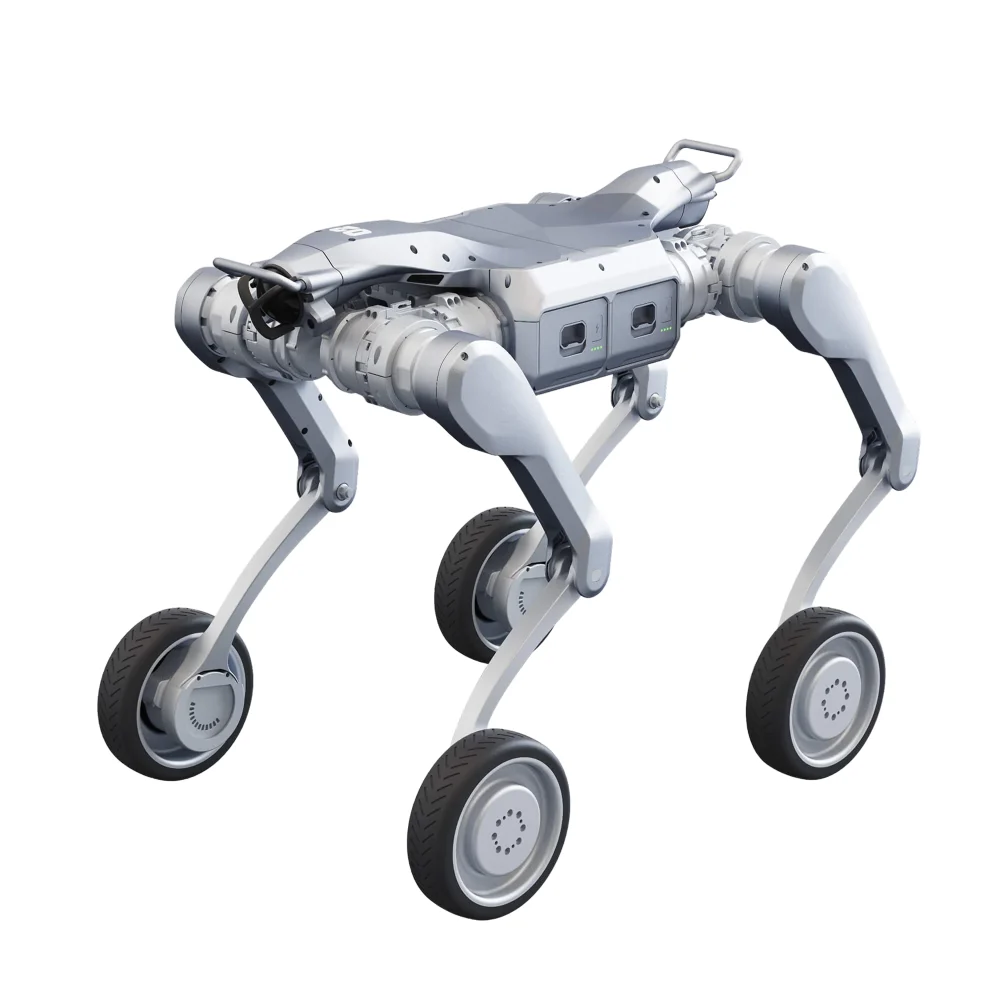
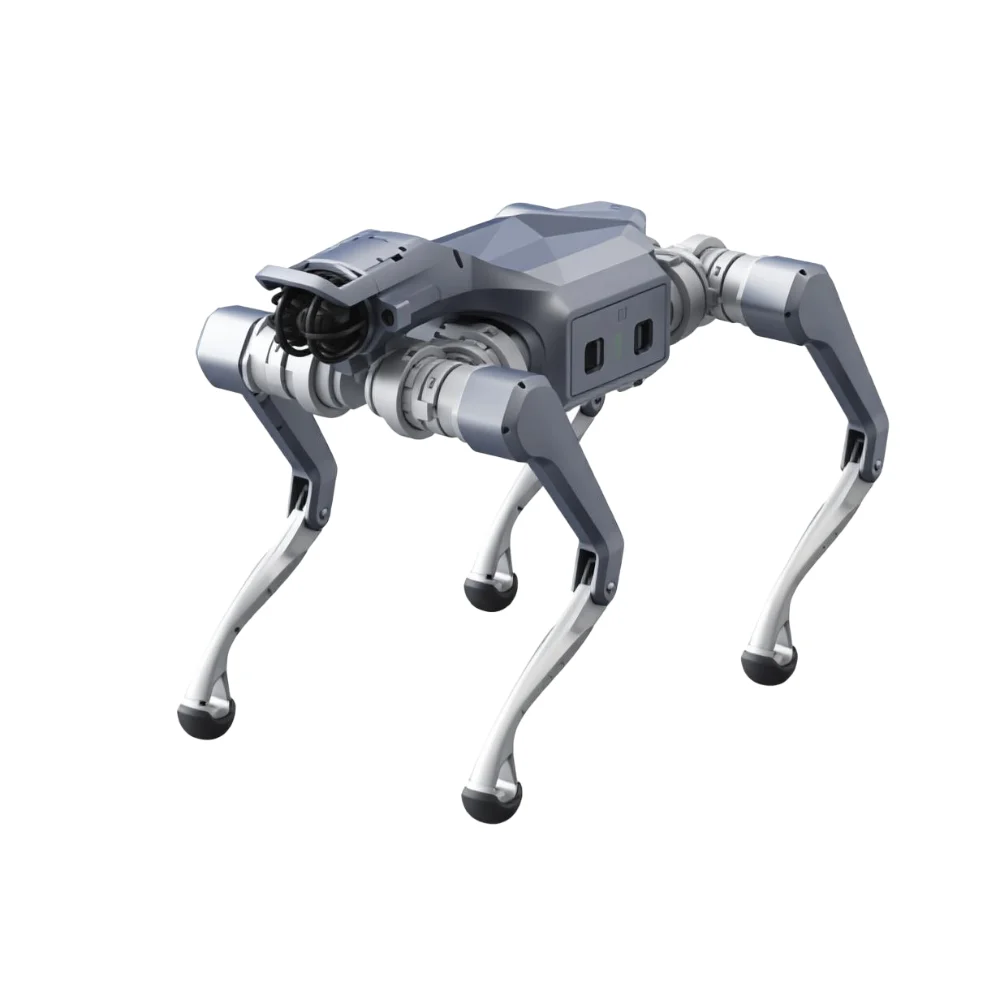
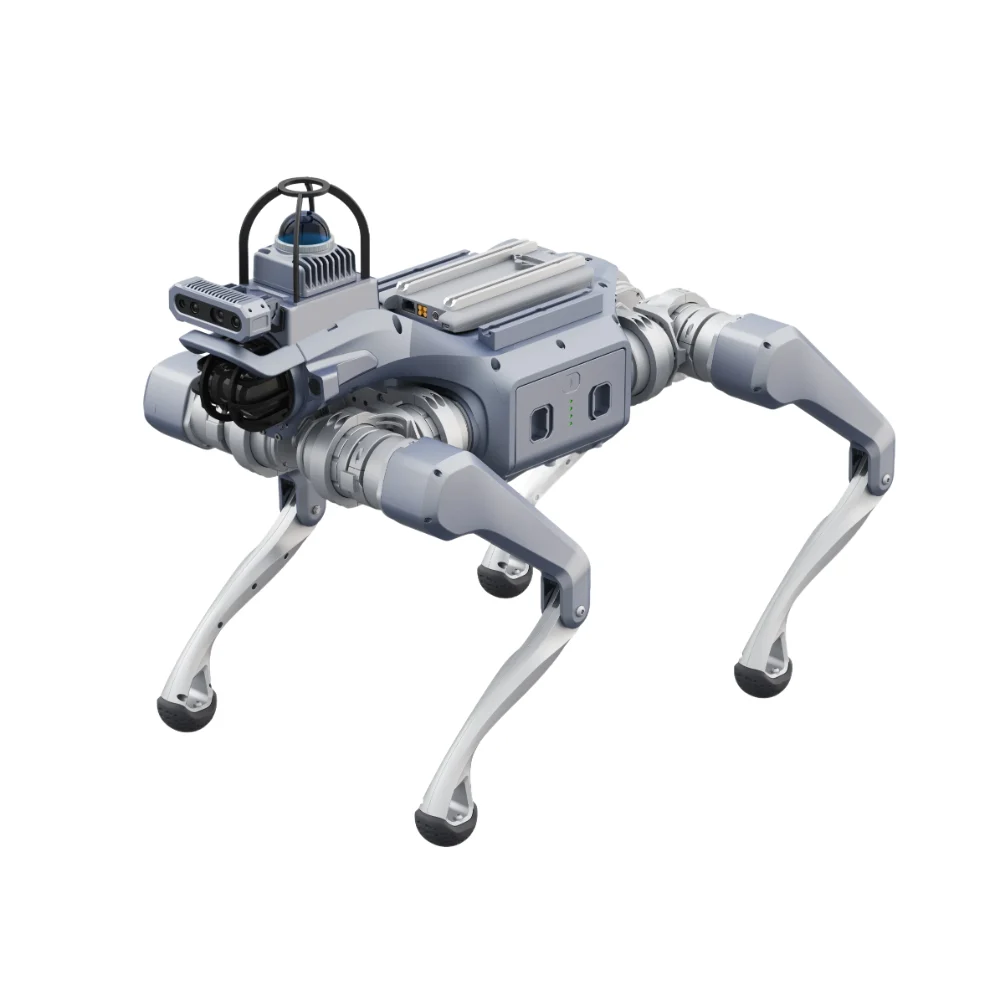
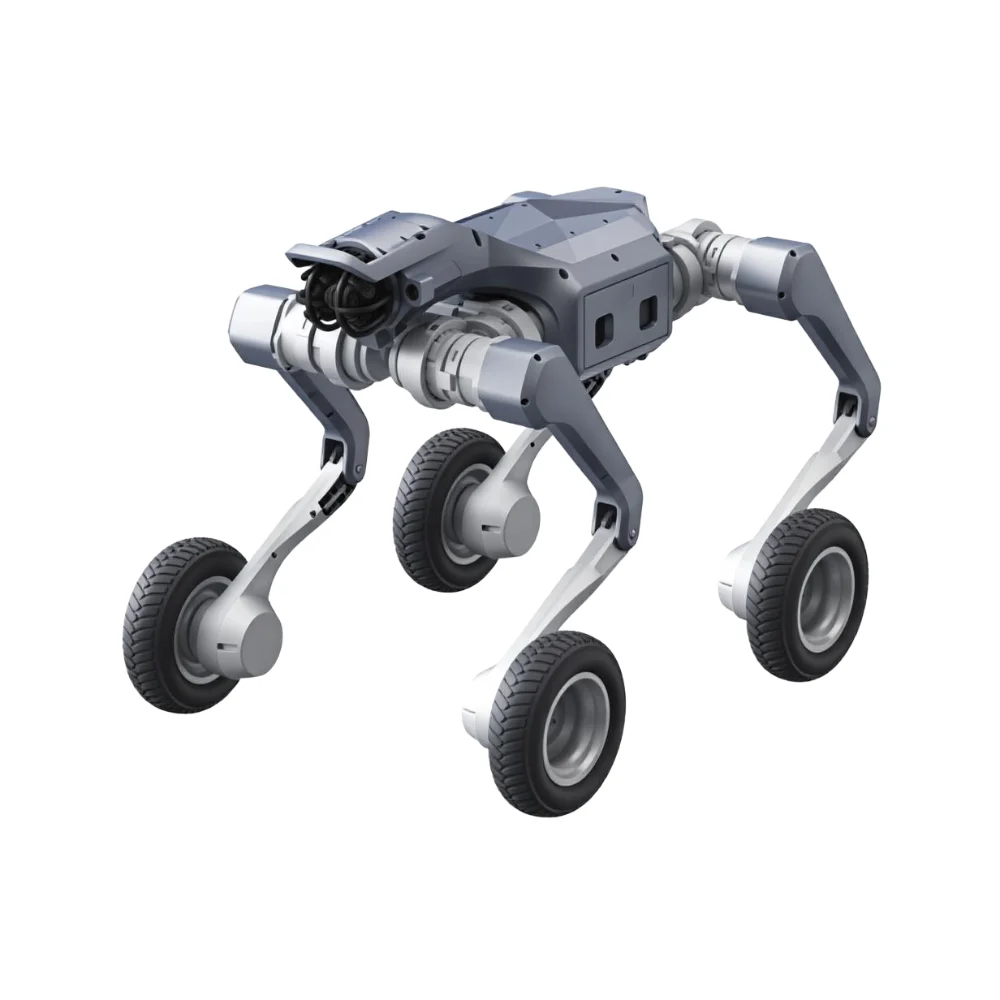
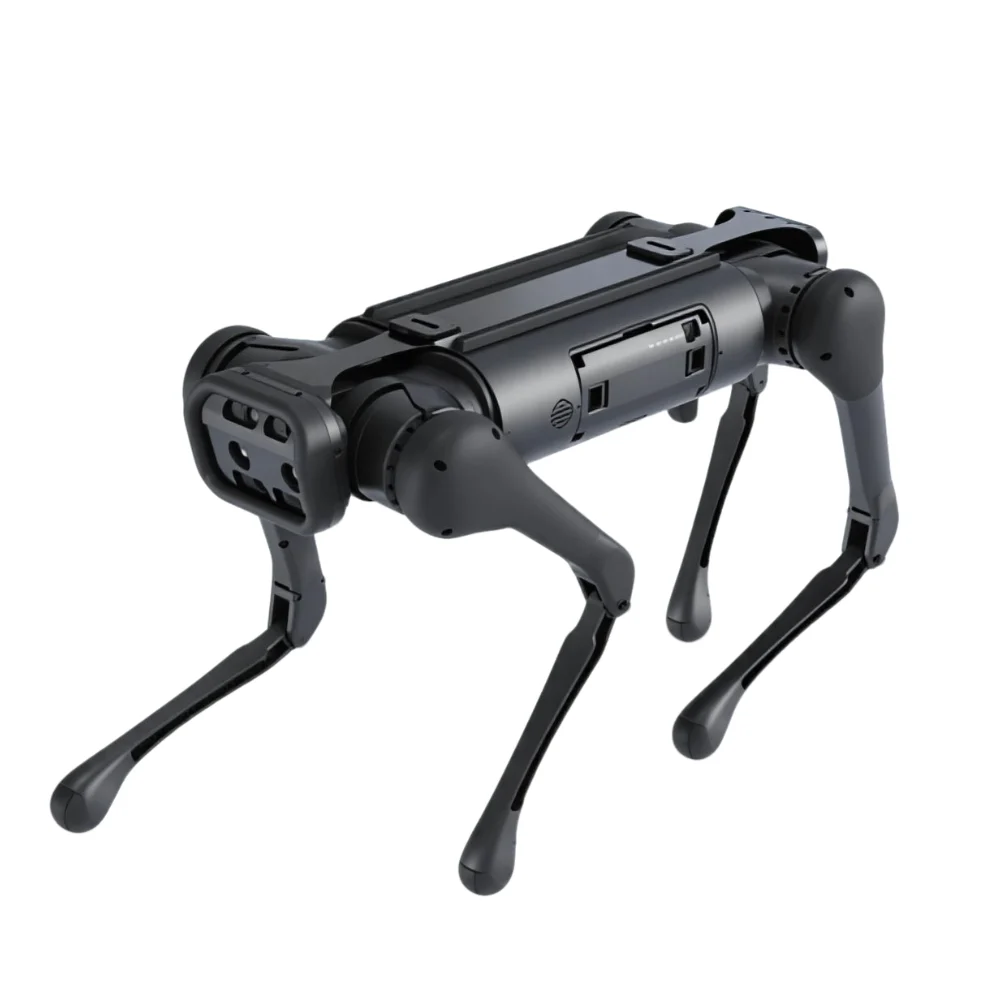
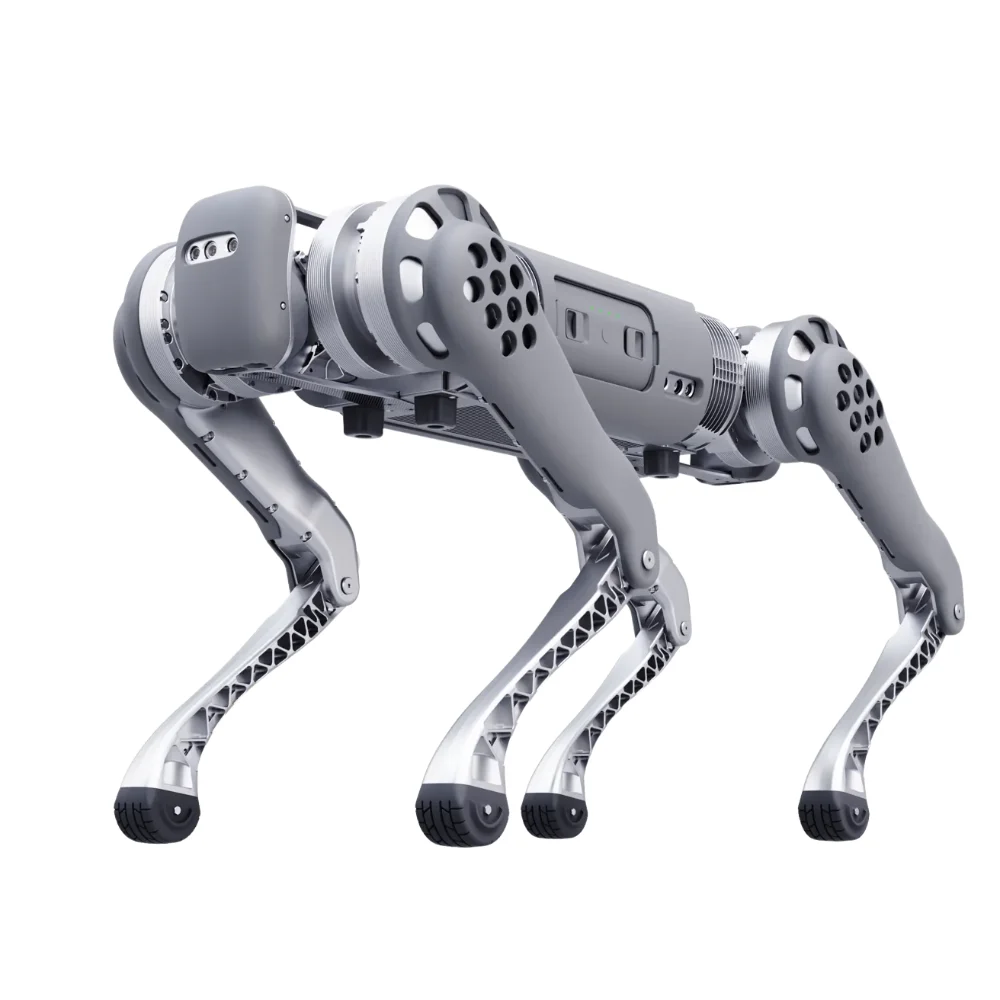
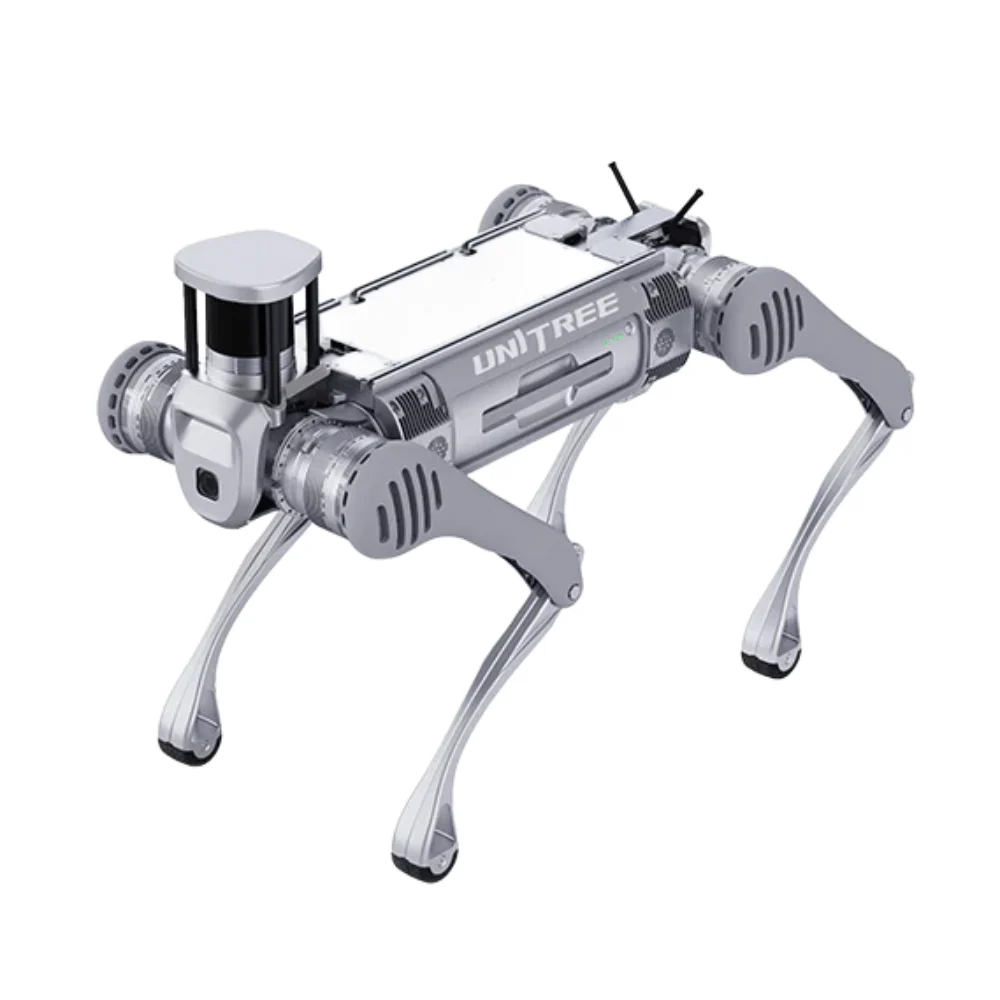
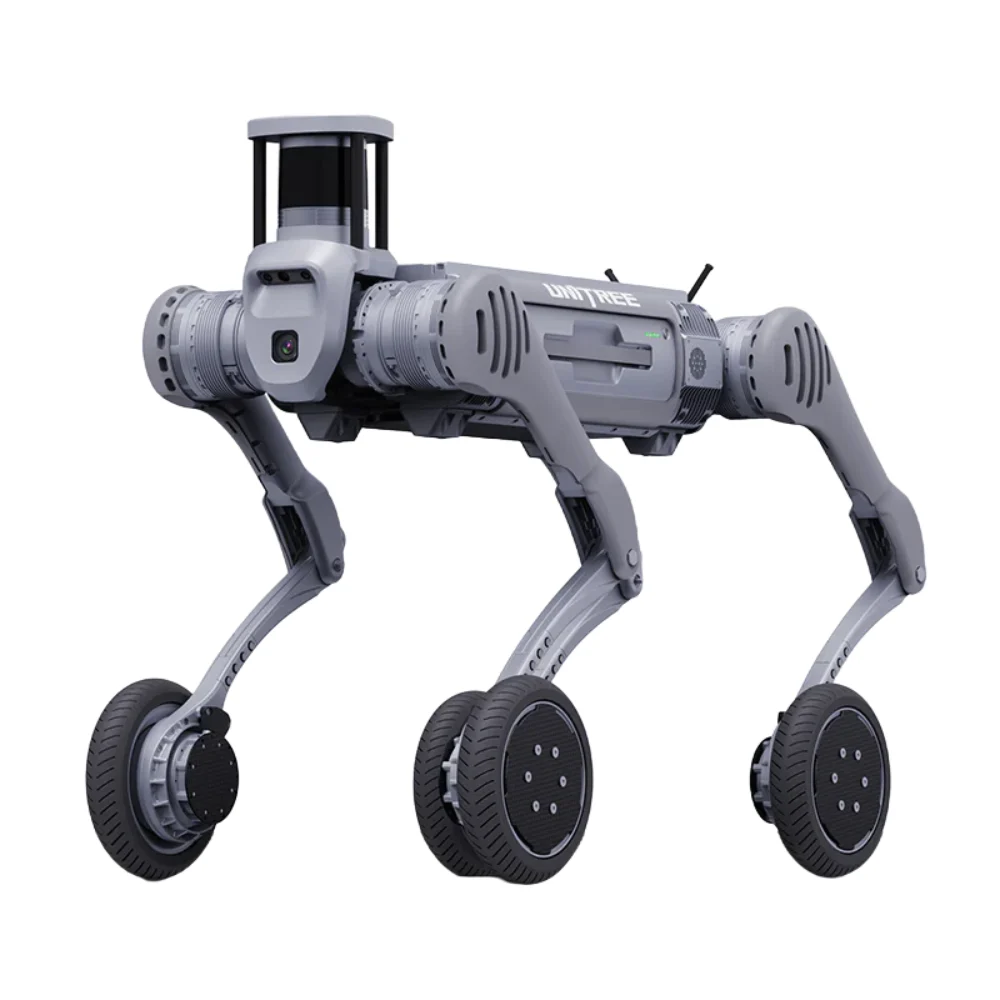
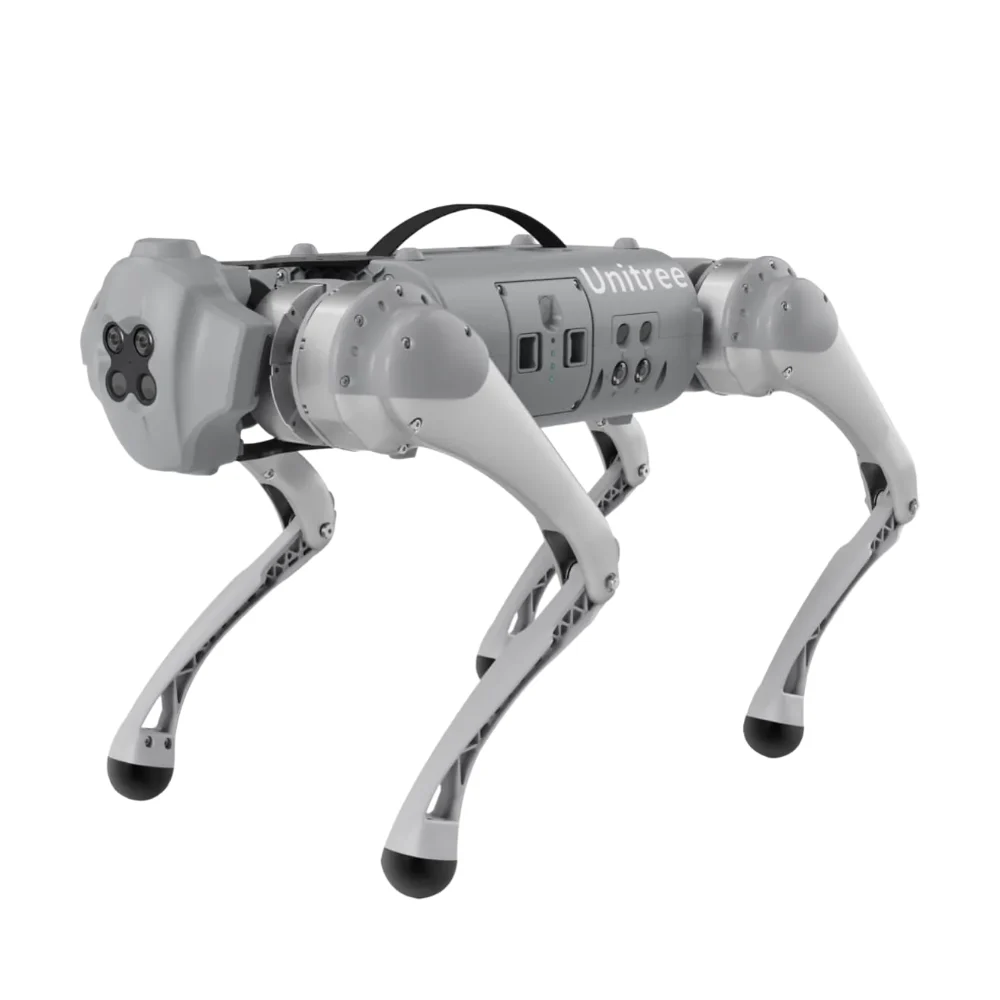
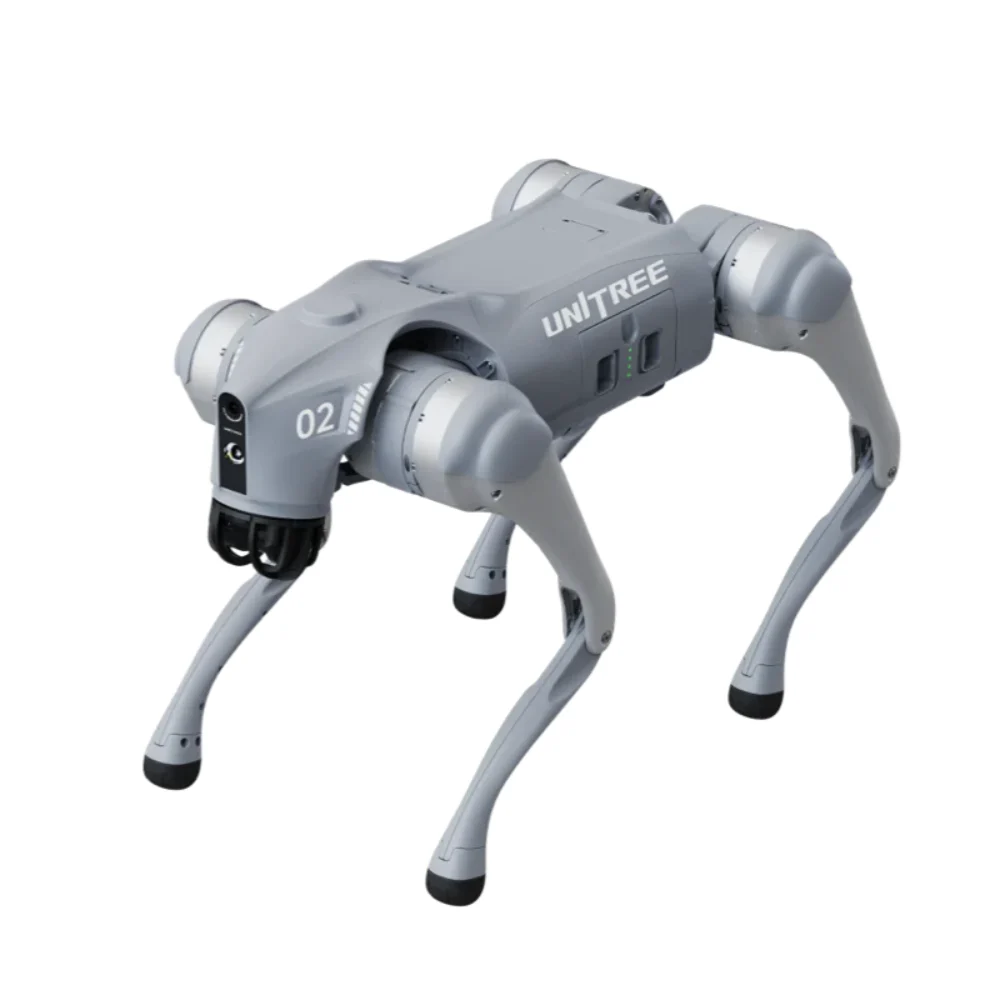
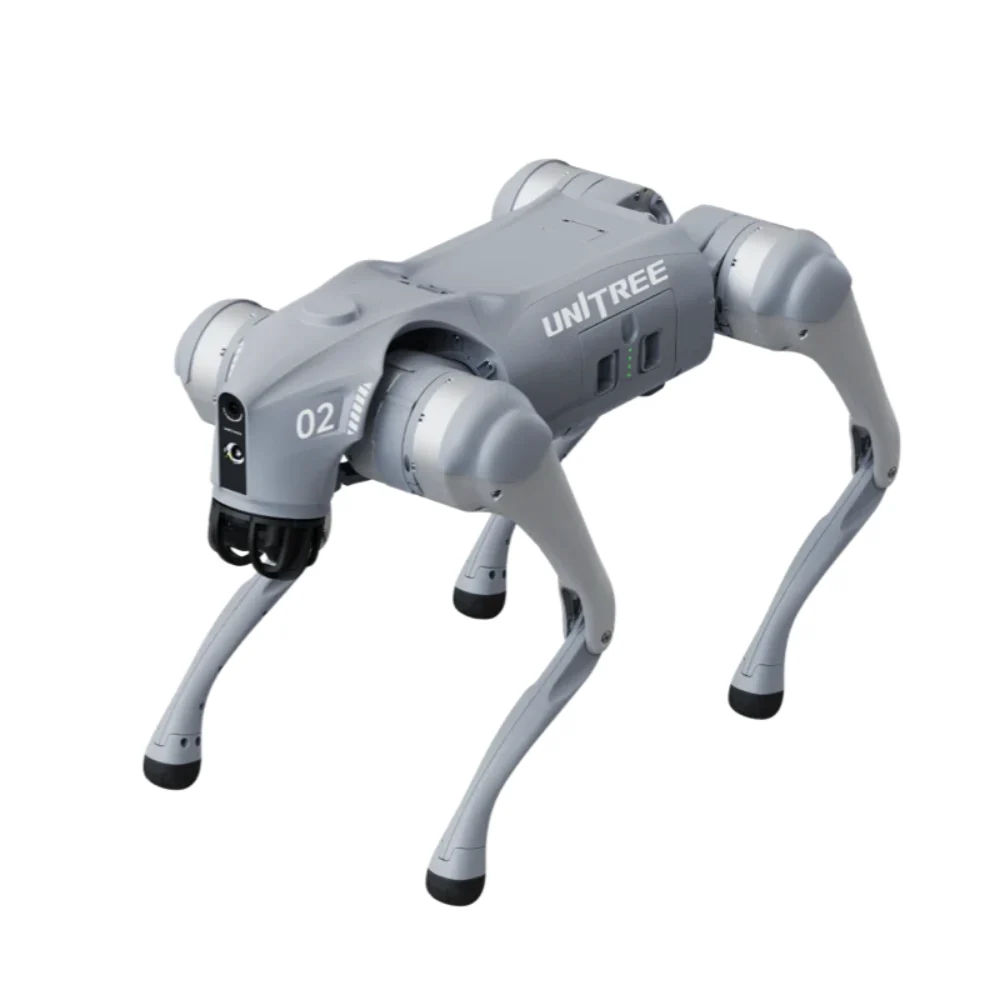
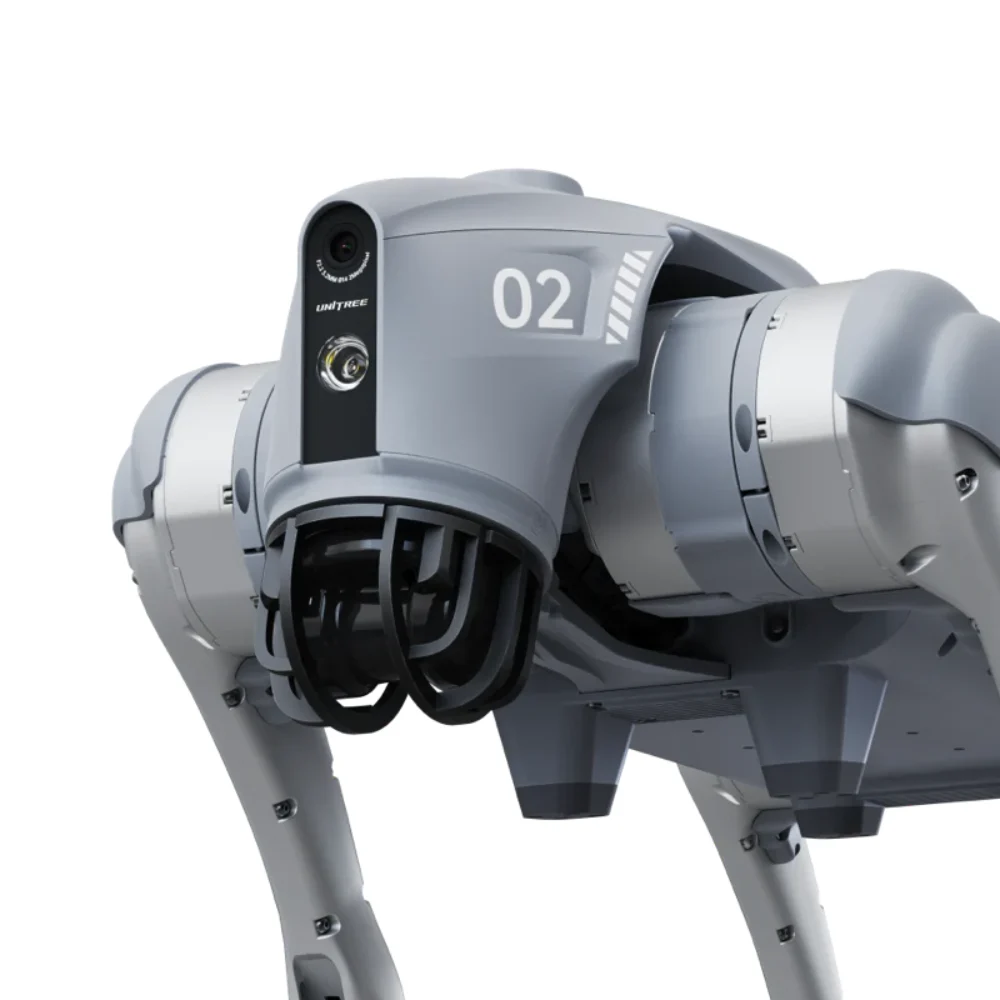
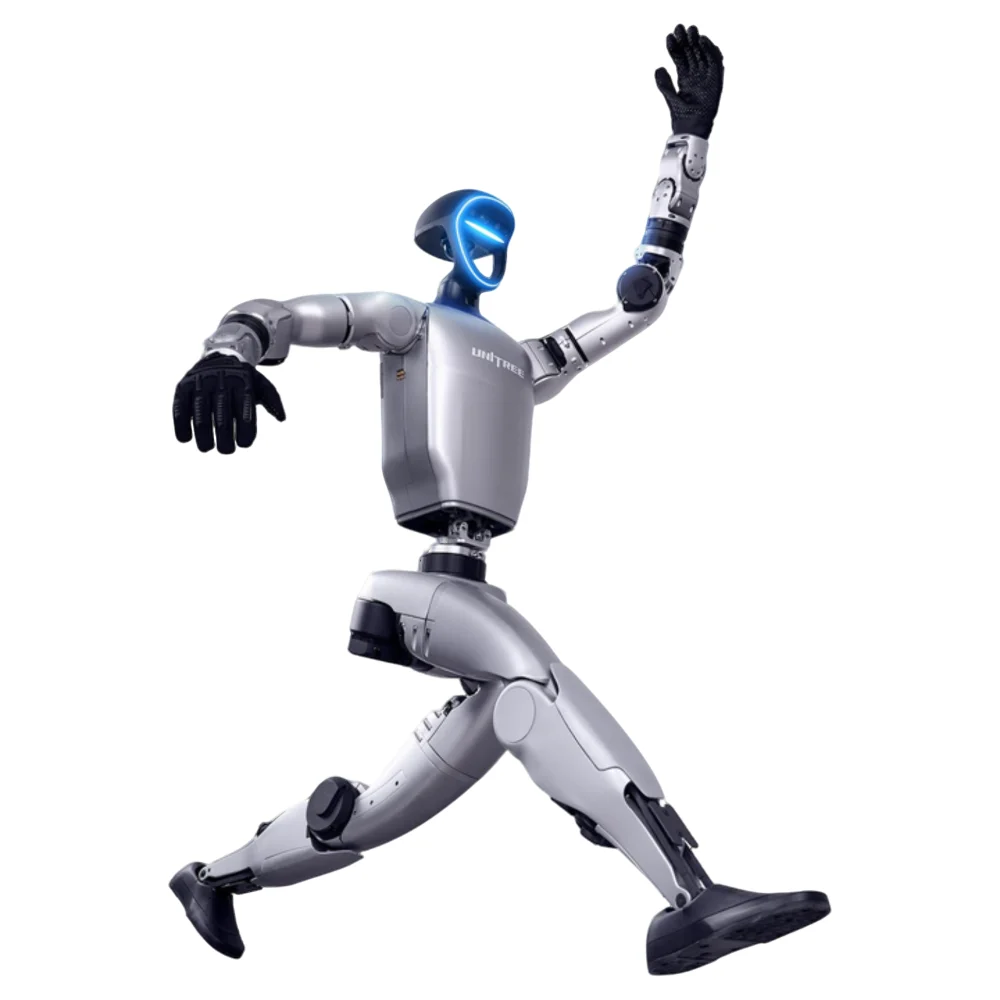
The Hangzhou company that turned four-legged and humanoid robots from six-figure lab equipment into machines developers, universities and businesses can actually buy.
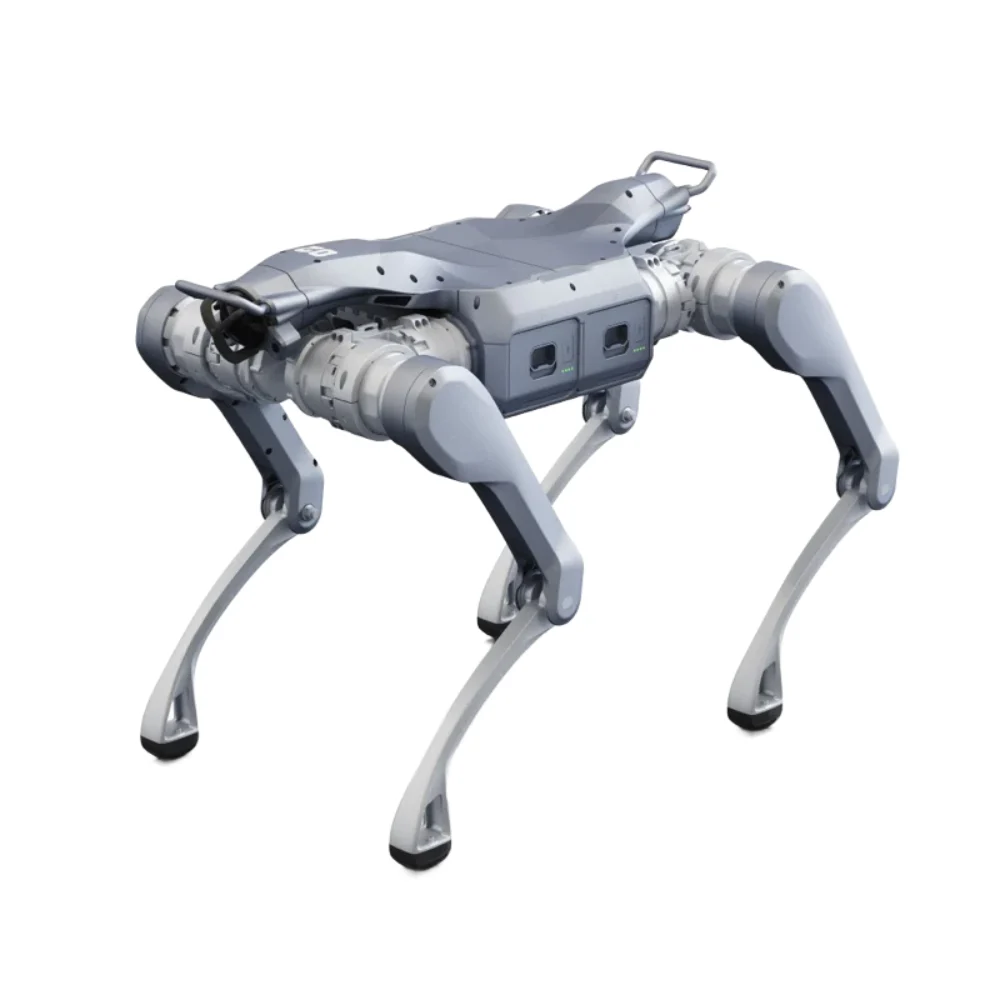
Unitree began with a robot dog. While a postgraduate student at Shanghai University, Wang Xingxing built a low-cost quadruped called XDog for his thesis — a project that went viral and drew the attention of buyers and investors alike.
In 2016 he founded Hangzhou Unitree Technology to pursue a simple, contrarian idea: that legged robots didn't have to cost as much as a house. Where rivals sold research quadrupeds for six figures, Unitree engineered its own motors and actuators to bring the price down by an order of magnitude.
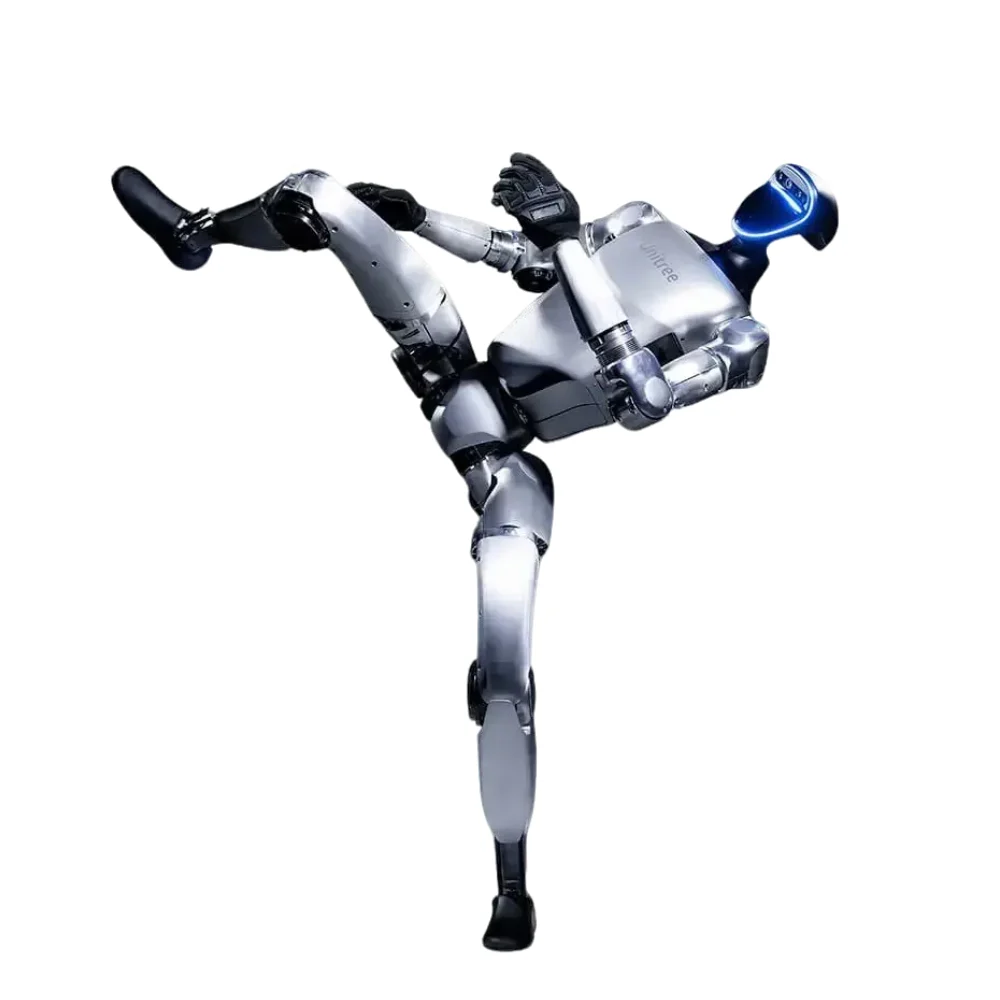
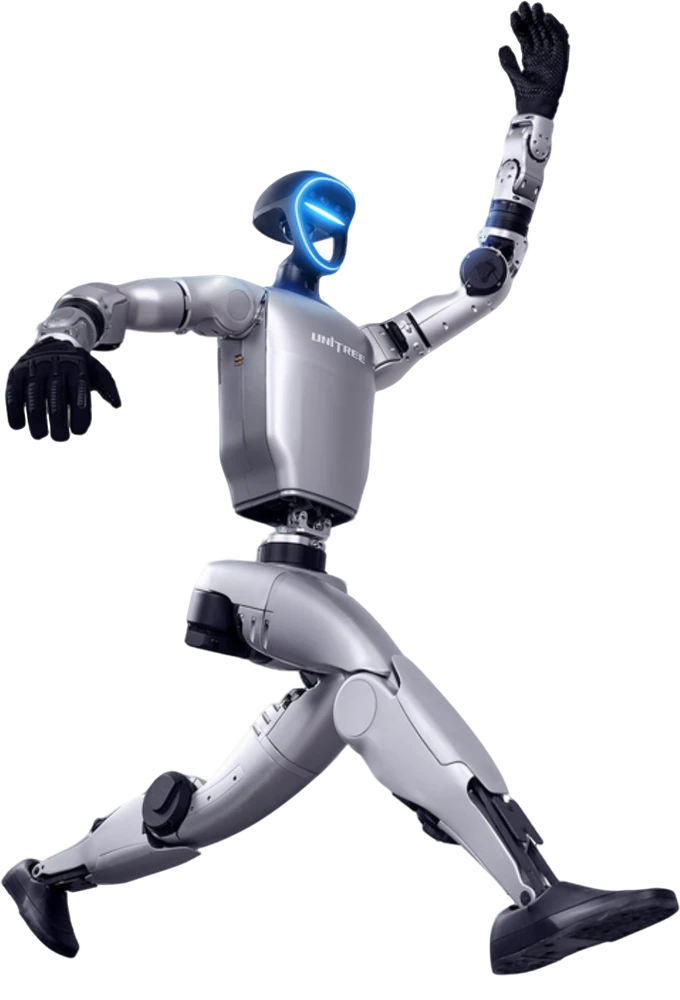
That cost advantage reshaped the market. Unitree's quadrupeds became the default choice for developers and universities worldwide, and in 2024 the company carried the same playbook into humanoids — launching a full-size humanoid at a price that undercut everyone.
Wang Xingxing turns his viral XDog thesis project into Hangzhou Unitree Technology, betting on affordable legged robots.
Named after Laika the space dog, Laikago is one of the first low-cost quadrupeds aimed squarely at developers rather than defense labs.
A Spot-class quadruped at a fraction of the price puts capable four-legged robots within reach of hobbyists, classrooms and startups.
The B-series broadens the range with payload-carrying, ruggedized quadrupeds built for inspection and industrial work.
Unitree enters the humanoid race, with the G1 debuting at around $16,000 — far below the rest of the field and true to the company's cost-first DNA.
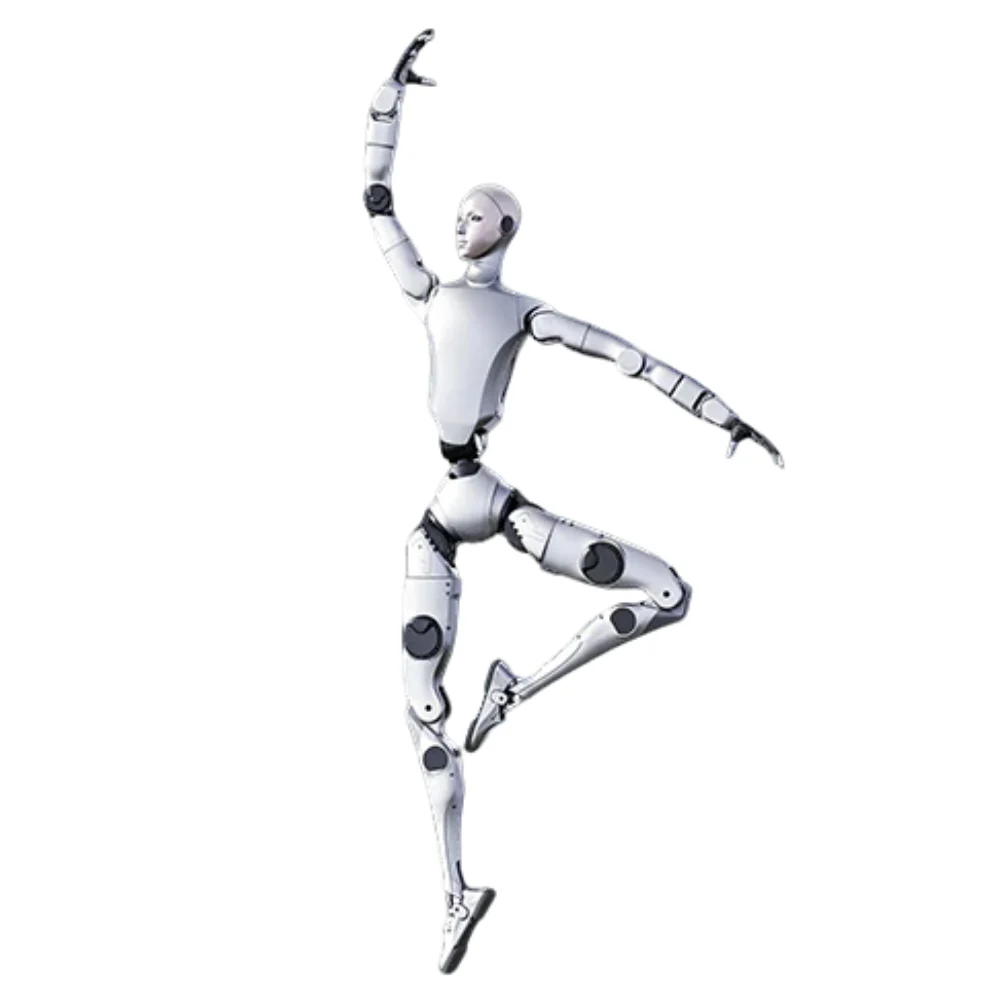
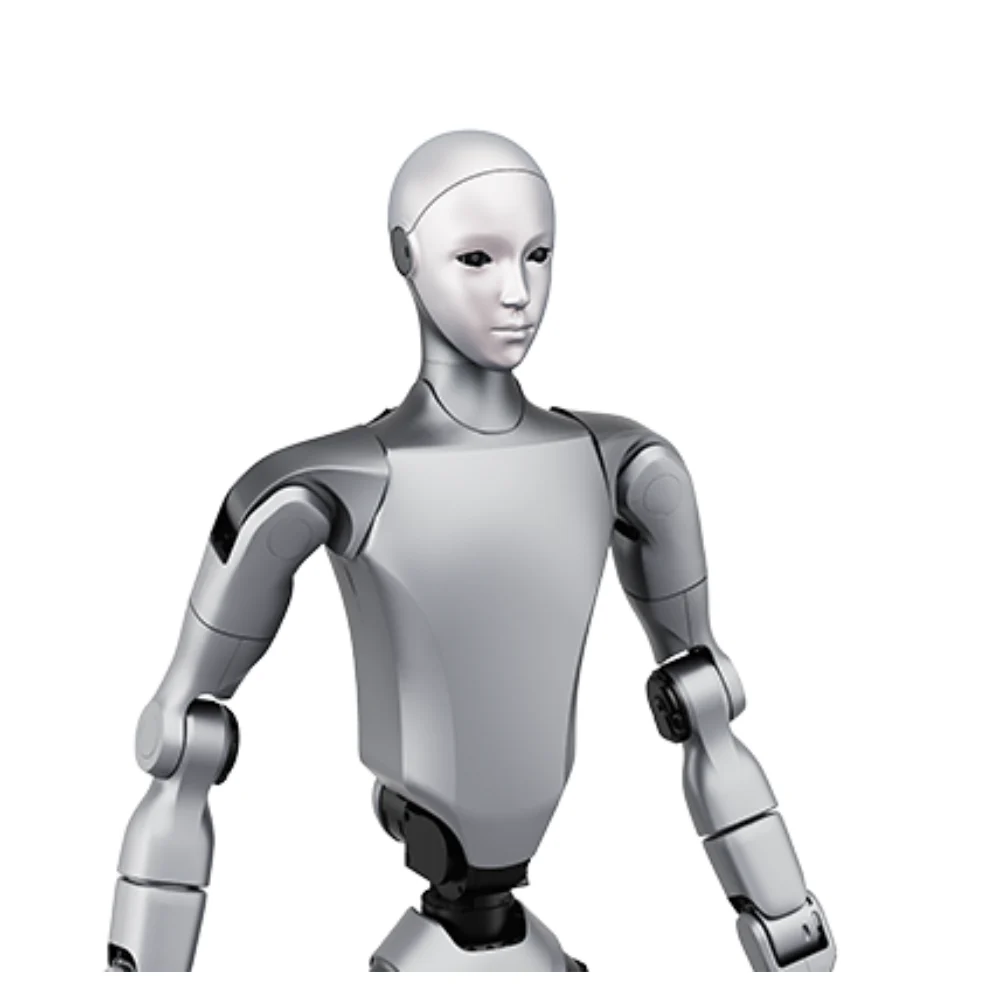
The H2 humanoid family and an expanding G-series push toward real-world manipulation, tactile hands and higher-payload arms.
We rate each model on the same capability framework from official specifications — so you can compare them on the same terms.


Compare Unitree's robots against every rival we track — or request a quote on a specific model.